
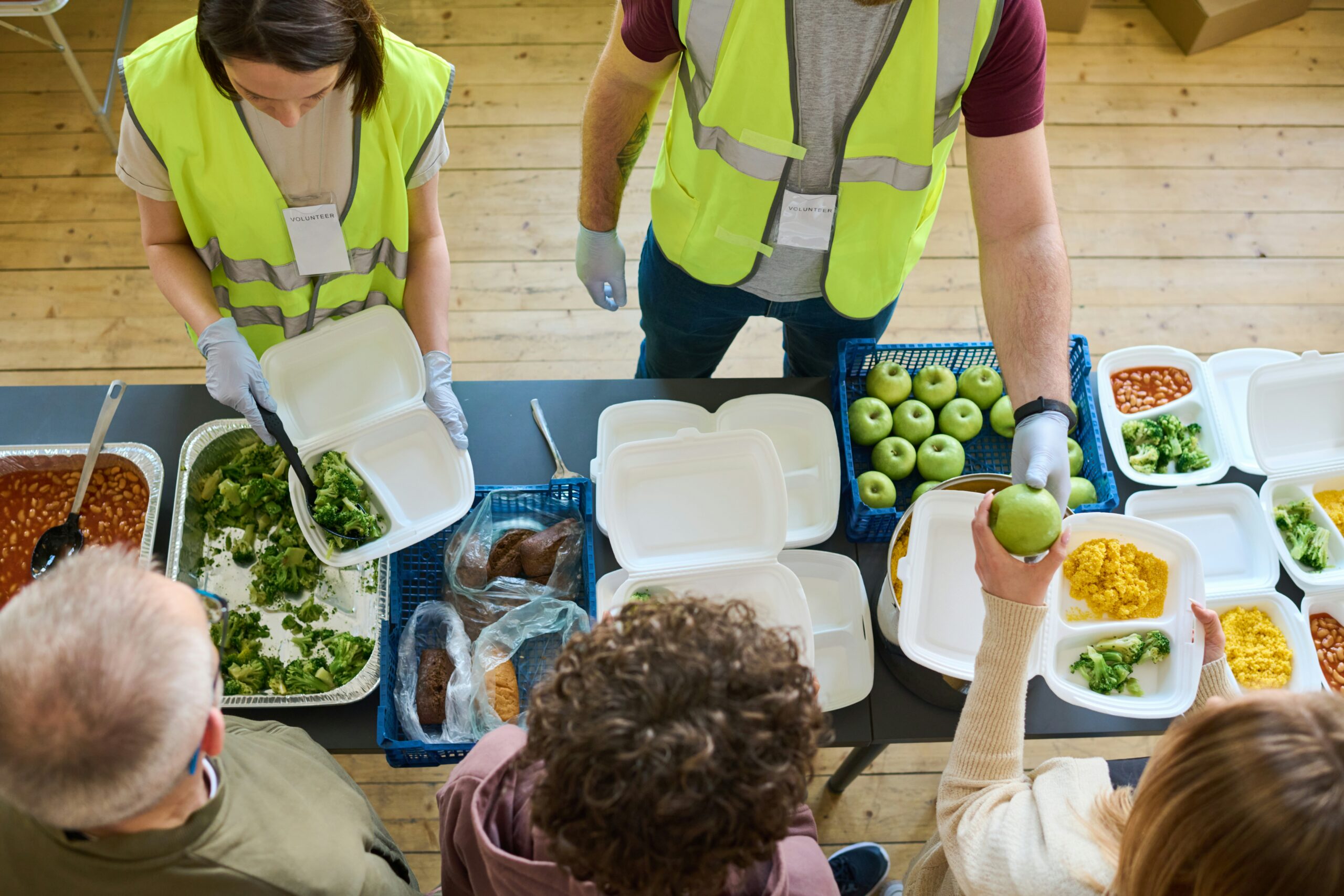
Community support often reaches its highest levels during the holiday season, but the need for food assistance does not disappear once celebrations end. Families experiencing financial hardship require reliable access to nutritious food year-round. That is why ongoing community food donations are so important. Consistent giving helps food assistance organizations maintain steady supplies, respond to changing needs, and ensure that no family is left without support during quieter seasons.
When individuals, businesses, schools, and community groups make food donations a year-round commitment, they help create a stronger and more dependable network of assistance for everyone.
Hunger Does Not Follow A Seasonal Schedule
Many people associate food donation campaigns with thanksgiving or winter holidays. While these periods often inspire generosity, food insecurity exists throughout every season.
Unexpected expenses, job changes, rising housing costs, medical emergencies, and reduced work hours can affect households at any time. Children also rely on food assistance during school vacations when they may not have access to school meal programs.
Regular donations ensure that food assistance organizations remain prepared regardless of when families seek help.
Maintaining Reliable Food Supplies
Food assistance organizations carefully manage inventory to meet community demand. If donations arrive only during a few months each year, maintaining balanced food supplies becomes more difficult.
Year-round contributions allow organizations to plan distributions more effectively, replace frequently requested items, and reduce shortages. Consistent support also provides greater flexibility when responding to sudden increases in demand caused by natural disasters, economic challenges, or unexpected community events.
Stable inventories create more reliable services for everyone who depends on them.
Supporting Healthy Meal Choices
Balanced nutrition requires more than occasional access to food. Families benefit when assistance programs can consistently provide a variety of products that contribute to healthy meals.
Ongoing community donations help maintain supplies of grains, canned vegetables, fruits, proteins, soups, baby food, and other everyday essentials. A dependable flow of donated items allows organizations to offer a greater variety while meeting the nutritional needs of different age groups.
Regular giving supports healthier outcomes for children, adults, and older community members alike.
Encouraging Community Responsibility
Making food donations throughout the year encourages people to view community service as an ongoing responsibility rather than a seasonal activity.
Families can include food donations in their monthly routines, businesses can organize quarterly collection campaigns, and schools can schedule service projects during different times of the academic year. These consistent efforts build stronger habits of generosity while creating greater awareness of local needs.
When giving becomes part of everyday life, communities become more resilient and connected.
Strengthening Local Partnerships
Successful food assistance depends on cooperation among many different groups. Grocery stores, restaurants, farms, nonprofit organizations, schools, businesses, and volunteers all contribute to creating an effective support network.
Programs focused on food donation in Denver demonstrate how local partnerships can expand resources and improve community outreach. Businesses that donate surplus products, volunteers who organize collections, and residents who contribute regularly all play important roles in ensuring food reaches households that need it most.
Strong partnerships also improve communication and make community responses more efficient.
Inspiring The Next Generation Of Givers
Children and young adults learn valuable lessons when they participate in year-round donation efforts. Rather than viewing charitable giving as an occasional event, they begin to understand that helping others is an ongoing commitment.
Schools and youth organizations can encourage students to organize monthly food drives, volunteer during community events, or collect essential pantry items as part of service learning activities. These experiences help develop empathy, leadership, and civic responsibility that continue into adulthood.
The habits formed today often shape tomorrow’s community leaders.
Every Contribution Builds Momentum
People sometimes hesitate to donate because they believe small contributions make little difference. In reality, consistent donations from many individuals create a dependable source of support that benefits countless families.
A single package of pasta, canned soup, cereal, or rice may appear modest on its own, but combined with thousands of similar contributions, these items become an essential community resource. Regular participation from many donors is what keeps food assistance programs operating successfully throughout the year.
Conclusion
Community food donations matter every month because hunger is not limited to holidays or special occasions. Ongoing support helps maintain reliable food supplies, promotes healthier meals, strengthens local partnerships, and encourages a lasting culture of generosity. Whether contributing to neighborhood food drives or supporting food donation, every donation helps create a more dependable network of care. Communities may guarantee that families receive the assistance they require when difficulties emerge by establishing a year-round donation habit.