
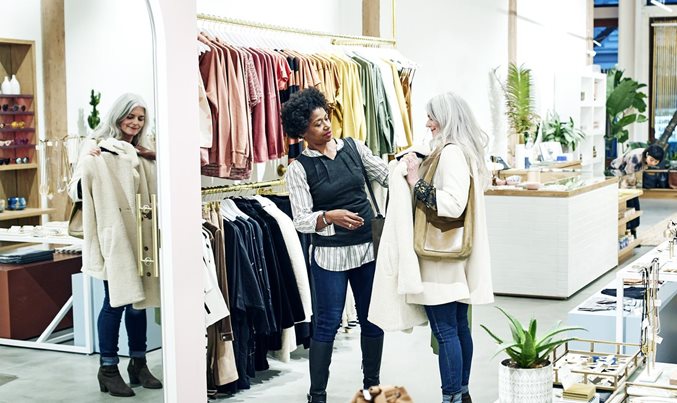
Fashion has changed dramatically over the last decade. Consumers are no longer choosing clothing based only on appearance or luxury labels. Today, people want fashion that fits into their lifestyle, supports comfort, reflects personal values, and adapts to daily routines. This shift has created a new era where lifestyle focused fashion is becoming one of the biggest influences in the global clothing industry.
Modern consumers are paying closer attention to how clothing makes them feel rather than simply how it looks. Comfort, flexibility, practicality, and emotional confidence are now major factors in purchasing decisions. As a result, brands are changing the way they design, market, and present fashion products. Many digital platforms that encourage brands to submit guest post business Australia articles are also helping spread discussions about lifestyle focused fashion and changing consumer expectations.
The Shift Toward Everyday Comfort
One of the main reasons lifestyle focused fashion is growing is because people are prioritizing comfort more than ever before. Fast paced schedules, hybrid work environments, and wellness centered living have changed what consumers expect from clothing.
Instead of buying outfits for occasional use, people are searching for versatile pieces that work in multiple situations. Relaxed fits, breathable fabrics, and practical designs are now seen as more valuable than uncomfortable trend driven fashion.
Many reports discussing business trends Australia have highlighted how consumers increasingly prefer products that combine style with functionality. This trend is encouraging fashion brands to rethink traditional ideas of luxury and focus more on wearable comfort.
Fashion Is Becoming More Personal
Lifestyle focused fashion is also reshaping expectations because people want clothing that reflects their personality and values. Consumers are becoming more selective about the brands they support. They look for authenticity, sustainability, inclusivity, and emotional connection.
Modern shoppers no longer want to feel pressured into following every short term trend. Instead, they prefer timeless designs that fit naturally into their routines and personal identity. This change has created stronger demand for minimalist collections, neutral color palettes, and flexible wardrobe choices.
Digital media has played a major role in this transformation. Fashion discussions are now happening across blogs, social platforms, and online publications where consumers openly share opinions about comfort, wellness, and personal confidence.
The Influence Of Wellness Culture
Wellness culture has become deeply connected with fashion. People are becoming more aware of how clothing affects mood, productivity, and confidence. Tight or uncomfortable outfits are slowly losing popularity as consumers seek clothing that supports movement and relaxation.
Fashion brands are now creating collections designed around everyday wellbeing. Soft materials, lightweight fabrics, and adaptable styles are becoming central to product development. This is especially visible in categories such as activewear, casual wear, and travel friendly fashion.
Many online platforms that allow businesses to submit guest post business Australia content are increasingly publishing articles about lifestyle centered consumer habits. These discussions show how wellness thinking is influencing nearly every part of the fashion industry.
Digital Culture And Consumer Expectations
Social media has also changed how people interact with fashion brands. Consumers now expect transparency, relatable branding, and realistic representation. Overly polished advertising campaigns are becoming less effective compared to authentic lifestyle storytelling.
Fashion companies are responding by showcasing real life experiences instead of only glamorous studio photography. Campaigns now often include themes related to travel, fitness, self care, work life balance, and everyday routines.
This shift is helping consumers connect emotionally with brands. People are more likely to trust companies that present fashion as part of a balanced lifestyle instead of an unreachable image of perfection.
At the same time, economic conditions are influencing shopping behavior. Discussions appearing through finance news Australia frequently explore how consumers are becoming more careful about spending and seeking better long term value from purchases. Lifestyle focused fashion appeals to these expectations because versatile clothing often feels more practical and worthwhile.
Sustainability And Long Term Thinking
Another reason lifestyle focused fashion is reshaping expectations is the growing awareness of sustainability. Many consumers are moving away from excessive shopping habits and investing in fewer, higher quality pieces.
People now want clothing that lasts longer, works across different occasions, and aligns with responsible consumption. Brands that focus on durability and timeless design are gaining more attention because consumers increasingly value quality over quantity.
Lifestyle fashion also encourages thoughtful purchasing decisions. Instead of buying clothing only for trends or public attention, people are selecting items that genuinely improve comfort and confidence in daily life.
The Future Of Lifestyle Focused Fashion
The future of fashion will likely continue moving toward lifestyle integration rather than purely appearance based trends. Consumers want clothing that supports their routines, reflects their values, and feels emotionally comfortable.
Fashion brands are adapting quickly by creating collections centered around flexibility, simplicity, and wellbeing. Businesses that understand these expectations are more likely to build stronger customer loyalty in the future.
Many emerging labels featured through business showcase Australia platforms are already embracing this direction by promoting fashion that combines practicality, comfort, and modern identity.
Ultimately, lifestyle focused fashion is changing the industry because consumers themselves are changing. People are no longer impressed only by status or visibility. They want clothing that fits naturally into real life, supports confidence, and creates a sense of ease in everyday experiences.