
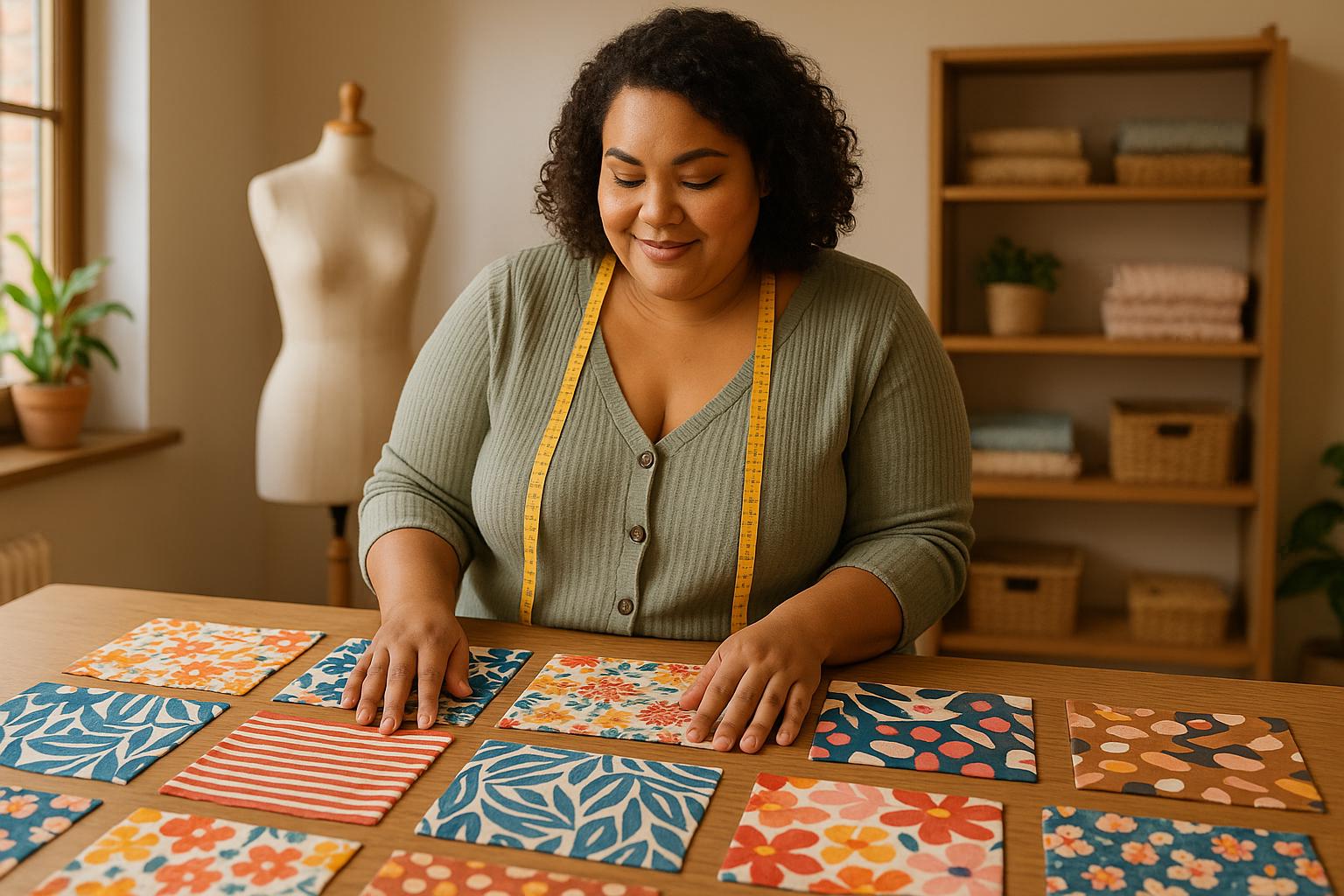
Comfort wear has become much more than a fashion trend. In recent years, people have started paying closer attention to how clothing affects their daily lives, mood, and overall well being. Whether working from home, running errands, exercising, or relaxing, many individuals now prefer clothing that feels comfortable while still looking stylish. This shift has highlighted the strong connection between comfort wear and personal well being.
Why Comfort Wear Matters in Everyday Life
The clothes people wear can influence how they feel throughout the day. Tight, restrictive, or uncomfortable clothing can create distractions and reduce comfort. On the other hand, soft fabrics, flexible designs, and properly fitted garments allow people to move freely and focus on their activities.
Comfort wear supports a more relaxed lifestyle. When individuals feel physically comfortable, they often experience less stress and greater confidence. This is one reason why comfortable clothing has become a preferred choice for many consumers across different age groups.
Comfort Wear and Mental Well Being
Mental well being is closely connected to physical comfort. Clothing that feels good can help create a sense of ease and relaxation. Many people report feeling more productive and positive when wearing outfits that allow them to move naturally and comfortably.
The growing interest in wellness has also influenced fashion choices. Discussions about lifestyle trends frequently appear on a tech and entertainment blog, where experts explore how consumer habits are evolving. These conversations often highlight the increasing demand for clothing that supports both comfort and confidence.
As people continue to prioritize self care, comfort wear has become an important part of creating a balanced daily routine.
The Role of Fabric and Design
The success of comfort wear depends largely on fabric quality and thoughtful design. Materials that are breathable, lightweight, and soft against the skin can significantly improve the wearing experience. Features such as stretch fabrics, adjustable fits, and moisture management also contribute to greater comfort.
Fashion brands are investing in research to better understand consumer preferences. Many studies show that shoppers increasingly value practicality alongside appearance. This trend reflects a broader movement toward products that improve daily life rather than simply following seasonal fashion cycles.
How Modern Trends Are Influencing Comfort Wear
Consumer behavior continues to evolve as people seek products that fit their lifestyles. Reports discussing digital trends Australia 2026 suggest that convenience, personalization, and wellness are becoming major influences across multiple industries, including fashion.
Comfort wear aligns perfectly with these preferences. People want clothing that adapts to different situations, from casual work settings to social gatherings. This flexibility makes comfort focused fashion an attractive option for modern consumers.
As awareness of health and wellness grows, comfortable clothing is likely to remain an important part of the fashion industry for years to come.
The Influence of Online Communities
Online platforms have played a major role in promoting comfort wear. Consumers frequently share recommendations, reviews, and styling ideas through blogs and social media channels. Many fashion and wellness websites encourage contributions through a write for us blog australia section, allowing writers to discuss lifestyle changes and emerging consumer trends.
These online conversations help spread awareness about the benefits of comfortable clothing and encourage people to explore new fashion options that support their well being.
Comfort Wear and Social Connections
Fashion has always been connected to social identity, and comfort wear is no exception. Many professionals, entrepreneurs, and creative individuals prefer clothing that balances style with practicality. Within a growing business network australia, comfortable yet polished attire is becoming more common as workplaces embrace more flexible dress expectations.
This shift reflects a broader understanding that professional appearance does not necessarily require sacrificing comfort. Instead, modern fashion aims to support both performance and personal well being.
The Digital Impact on Fashion Choices
Technology has transformed how people discover and purchase clothing. Brands use online platforms, personalized recommendations, and customer feedback to better understand consumer needs. Strong mobile user engagement allows businesses to connect with shoppers in real time, making it easier to showcase products designed for comfort and everyday use.
As consumers continue to research products through smartphones and digital channels, fashion companies can respond more quickly to changing preferences and expectations.
Conclusion
The connection between comfort wear and personal well being is becoming increasingly clear. Comfortable clothing supports physical ease, contributes to mental wellness, and helps individuals feel more confident in their daily activities. As fashion continues to evolve, consumers are placing greater value on garments that combine functionality, style, and comfort. This growing demand suggests that comfort wear will remain an essential part of modern lifestyles while continuing to support overall well being.