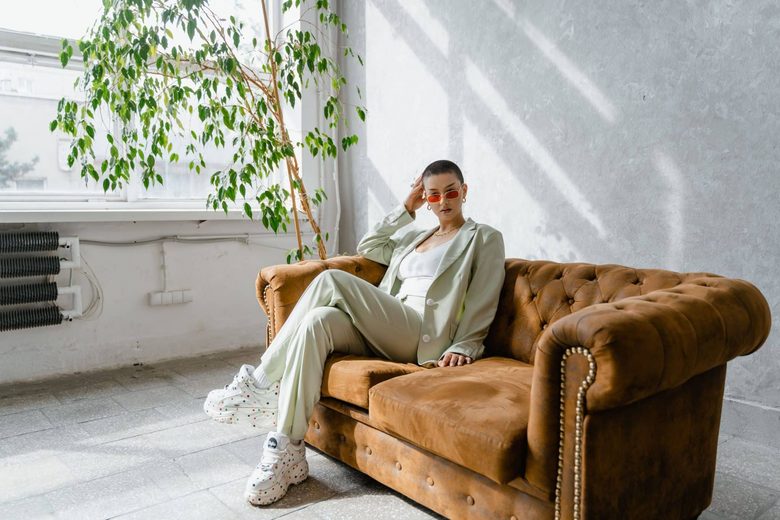
Fashion was once commonly associated with appearance first and practicality second. Today, that relationship is changing. People increasingly expect their everyday clothing to support comfort, confidence, movement, and general wellbeing while still reflecting their personal style. The result is a broader understanding of fashion in which looking good and feeling comfortable no longer need to be competing priorities.
This shift can be seen in workplaces, homes, social settings, travel, and leisure. Clothing choices are becoming more closely connected with the realities of daily life, encouraging people to create wardrobes that work with their routines rather than against them.
Comfort Has Become Part of Personal Style
Comfort used to be treated as something separate from fashionable dressing. Relaxed clothes were often reserved for the home, while structured garments dominated professional and social environments. Modern lifestyles have weakened that distinction.
Stretchable fabrics, relaxed silhouettes, breathable materials, supportive footwear, and versatile layers now appear across many clothing categories. People want outfits that allow them to move comfortably through a full day without constantly adjusting what they wear.
This change reflects a wider preference for convenience. Just as people may use online resources such as https://prernaup.org while looking for information digitally, they also increasingly value clothing and lifestyle choices that reduce unnecessary complexity.
Wellness Is Influencing Wardrobe Decisions
Wellness is no longer associated only with exercise routines, nutrition, or occasional relaxation. For many people, it influences smaller daily decisions, including what they wear. Clothing can affect temperature regulation, freedom of movement, physical ease, and even the way someone approaches daily activities.
A person who spends hours commuting may prioritize comfortable footwear and lightweight layers. Someone working from home might prefer soft clothing that remains presentable enough for video meetings. People who move frequently throughout the day may favor garments that do not restrict their movements.
The growing availability of digital information also supports more intentional decision making in everyday life. People may Visit Jkpaysys for a particular online purpose while using completely different digital platforms to research fabrics, compare clothing features, or explore wellness focused lifestyle ideas. This familiarity with online research has encouraged consumers to become more selective about many aspects of their routines.
Everyday Style Is Becoming More Adaptable
One of the most noticeable changes in fashion is the demand for versatility. Many people no longer want wardrobes filled with garments that serve only one narrow purpose. Instead, they prefer pieces that can transition between different parts of the day.
A simple outfit might work for commuting, casual meetings, shopping, and dinner with only minor adjustments. A lightweight jacket can provide practicality while contributing to the overall look. Comfortable sneakers can complement clothing that once would have been paired exclusively with formal shoes.
This preference for adaptability resembles the broader way people navigate modern digital systems. Search phrases such as e bhulekh uk gov in uttarakhand online demonstrate the increasingly specific ways users look for services and information. Similarly, consumers are becoming more specific about what they expect from clothing, seeking combinations of appearance, function, comfort, and durability.
Personal Confidence Matters More Than Following Every Trend
Fashion trends continue to influence wardrobes, but following every new trend is becoming less important for many consumers. Personal confidence and individual preferences often play a greater role.
Someone may choose loose fitting clothing because it feels comfortable and suits their personality, while another person may prefer structured pieces. Neither approach is automatically more stylish. Modern fashion increasingly allows individuals to decide what works for their bodies, schedules, and preferences.
Digital access has reinforced this sense of individual choice. From fashion inspiration to public information platforms found through searches such as banglarbhumi gov in login, people have become accustomed to finding information based on their specific needs. Fashion consumption is following a similar pattern, with shoppers researching options instead of relying entirely on traditional definitions of what they should wear.
Lifestyle Needs Are Reshaping Fashion Expectations
Daily schedules have become more varied. A single person might divide the week between an office, home, social events, exercise, family responsibilities, and travel. Clothing therefore needs to accommodate more situations without creating unnecessary discomfort.
This is particularly important because wellness often depends on seemingly small decisions. Wearing clothing appropriate for the weather, choosing supportive footwear, and selecting fabrics suitable for an activity can make everyday routines more manageable.
The same emphasis on accessibility can be observed across many areas of daily life. For example, someone searching for the Kanya Sumangala Yojana Portal is looking for convenient access to specific information. In fashion, consumers similarly value straightforward solutions that fit naturally into their routines.
A More Personal Future for Everyday Fashion
The connection between comfort, wellness, and style is likely to continue evolving as people become more conscious of what genuinely works for them. Fashion is increasingly moving away from the assumption that discomfort must sometimes be accepted for the sake of appearance.
Instead, everyday style is becoming a form of practical self expression. People can choose clothes that represent their personalities while considering movement, climate, routine, and personal comfort.
Ultimately, the changing relationship between these three elements reflects a broader cultural shift. Style is no longer only about how an outfit appears to others. It is also about how clothing supports the person wearing it. When comfort, wellness, and personal expression work together, everyday fashion can become more practical, adaptable, and meaningful.